Conflict Resolution
The Carter Center works to prevent, mitigate, and resolve conflicts to build transformative and sustainable peace.
Here are some of the places where we are engaging in conflict resolution efforts:
Intrastate violence is the most common form of conflict today, with non-state actors – often backed by outsiders who share their interests – playing an increasingly prominent role. This presents difficult new challenges in managing and responding to those conflicts. The Center works toward an inclusive, holistic approach to peacebuilding – one that addresses various dimensions of the conflict – based on the belief that sustainable peace depends on engaging with everyone affected by the decisions made by the people at the peace table. Its gender-conscious approach includes constructive change initiatives that go beyond the resolution of conflicts, reaffirming the importance of women’s participation and involvement at all levels of the peace and security agenda and the development of local solutions to global problems.
The Carter Center, along with Cure Violence Global and Princeton University’s Bridging Divides Initiative, is working to mitigate violence that could erupt in some U.S. communities in the days before and after elections.
The project team uses data to determine communities at higher risk for election violence and then works with grassroots organizations in those areas to disseminate messages supporting a peaceful electoral transition, provide training and other resources to prevent violence, and help build local coalitions of influencers from across the political spectrum to support a peaceful political transition and push back against violence.
It is working directly with a handful of communities and also reaching out to interfaith networks and community leaders across the U.S. to encourage them to develop their own antiviolence efforts and to share with them training materials and messaging.
Conflict and disease often go hand in hand, particularly in remote, underdeveloped areas. The Carter Center’s Conflict Resolution Program promotes a community-based approach to conflict mitigation and resilience-building to both reduce violence and increase access to regions in dire need of basic health services. By providing the tools and the platform for dialogue between health workers and local communities, the Center aims to create conditions that would allow people to get the health services and treatment they need.
The Conflict Resolution Program is home to one of the most comprehensive efforts to monitor, map, and analyze the Syrian conflict, maintaining a near real-time, auto-updating map of areas of control. It reports weekly developments in frontline activity and community-level violence and responds to requests for information and analysis from partner institutions. As the Syrian conflict moves into a new phase, historical information on the conflict has become highly sought-after as stakeholders look at long-term trends. The Center’s reports support operational planning by international and Syrian demining organizations as well as Syrian civil society working to mitigate the consequences of years of explosive weapons contamination.
(Photo: ART production/Shutterstock.com)
Please sign up below for important news about the work of The Carter Center and special event invitations.
The Carter Center has become a trusted broker for peace, serving as an alternative channel for dialogue and negotiation until official diplomacy can take place.
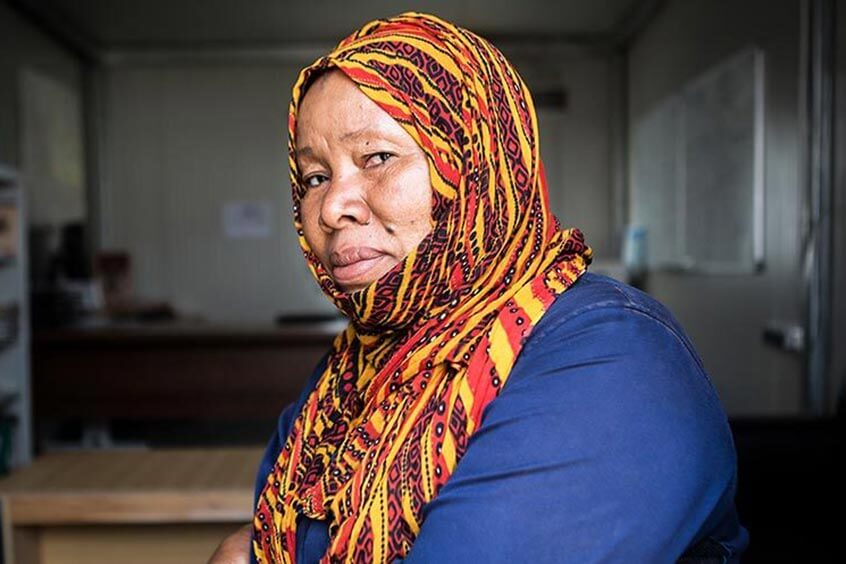
Meet people whose lives have been changed by the Carter Center's Conflict Resolution Program