How To Get Involved


Internship Program


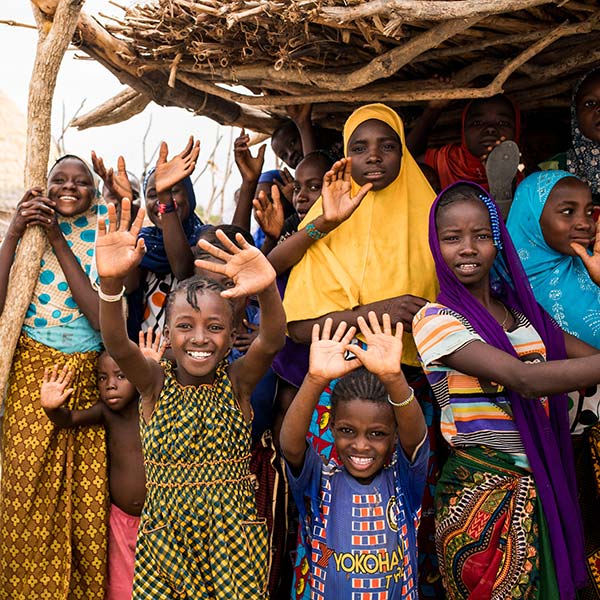
Photo credit: Carter Center

Interns from colleges and universities around the world work in the Center's peace, health, and operations offices.


Did you know?


  • The Carter Center Internship Program has been listed since 1993 as one of the top internship programs in the United States by the Princeton Review.
  • Students from universities outside the U.S. compose 10 to 15 percent of Carter Center interns.
  • On average, 35-40 interns are accepted for each internship session.
  • Each class of interns averages nine different nationalities with approximately 15 languages spoken within the group.

Internship Program Opportunities


Peace Programs


Health Programs


Operations

Other

PEACE PROGRAMS


Americas Program

The Americas Program's focus has shifted in recent years, from election monitoring - now led by the Democracy Program -  to strengthening inter-American relations and democratic consolidation in the Western Hemisphere. The work of the Americas Program entails efforts to foster productive relationships between civil society and governments, and to promote transparency and accountability in the election process through improved access to information and campaign finance reform. The Americas Program maintains the Council of Presidents and Prime Ministers of the Americas: a group of more than 30 current and former prime ministers and presidents who are regularly consulted on projects for their expertise and influence throughout the region.

The Americas Program works to meet these goals both through conferences at The Carter Center in Atlanta and through in-country missions throughout the hemisphere. The program cultivates dialogues that bring together politicians, policy professionals, scholars, media, business executives, and civil society leaders from across the Americas. Program staff works with the Organization of American States and other groups at the regional level to shape international covenants and stimulate discussion on emerging issues. Examples of the Americas Program's work include: a major policy conference on financing democracy, crisis management in Venezuela, and President Carter's trip to Cuba in May 2002.

Number of interns per semester: 4-6

Program preferences: The Americas Program prefers upper-level undergraduate students, graduate, and professional students who study international relations, political science, history, or Latin American and Caribbean studies. A concentration in development and democracy, with a strong background in social science, is ideal. The ability to speak, read, and write Spanish and/or Portuguese is strongly desired, but not a prerequisite. Strong writing, computer skills, and Internet capability are necessary. Applicants typically have international experience and a strong academic record.  Added characteristics integral to an AP intern:  a positive attitude, wry political humor, curiosity, resilience, flexibility, and resourcefulness.

Typical projects: Typically, each intern is assigned to a particular issue, theme, or country, and is responsible for providing research and logistical support for a relevant program activity. This often includes conference preparation and follow-up, staff travel abroad, writing regular updates, and periodically briefing program staff. Work in this fast-paced atmosphere commonly leads to contact with high-profile politicians, diplomats, and NGOs throughout the Americas. Students may also opt to dedicate additional time to a mentored study for which they may receive university credit.


Apply Now to the Carter Center Internship Program >>


Top


China Program

The mission of the China Program is to promote democracy, rule of law, and social justice in China. The program began in the middle 1990s, when China was promoting village elections and advancing grassroots democracy.  The Carter Center was granted the opportunity to initiate collaborative projects with the Chinese government to improve standardization of local election procedures.  The program has expanded its scope of operations and is now engaging in a variety of activities designed to improve elections and governance, to give Chinese officials, scholar and common citizens a platform to discuss and share ideas on choice and accountability, and to conduct pilot projects that can empower ordinary Chinese citizens.

Some of the highlights of the Center's accomplishments in China include:

1)       A highly visible and informative Web site on China's elections and governance  in Chinese at www.chinaelections.org and in English at www.chinaelections.org/en;

2)       Long-term engagement with various government agencies and local people's congresses in conducting voter education, standardizing election procedures, and empowering elected village leaders and local people's congress deputies;

3)       Regular observation of the direct elections in China at the village, township and county levels;

4)       Close relationships with academic and non-governmental organizations in China to promote political reform and social changes.

Number of interns per semester:  2-3

Project preferences:  The China Program prefers individuals with a background or coursework in international relations, political science, or other related fields. Applicants should communicate well in Mandarin Chinese and be current in Chinese affairs and U.S.-China relations. The China Program seeks first-rate writing in English, rudimentary reading and writing in Chinese, and a willingness to travel occasionally.  Interns should be skilled conversationalists and researchers, with basic technological proficiency (such as Web page creation, PowerPoint and Excel), capable of working independently.  Dedication to the program's objective is mandatory.

Typical projects:  Interns will perform a variety of tasks, including administrative assistance, document translation into Chinese and English, monitoring media for political developments in China, and delving into Chinese reports. They will also be expected to accompany and provide logistical support for Chinese delegations visiting the United States. Interns should be innovative, as the program builds substantial bridges with America's Chinese monitors and with institutions and foundations in China.


Apply Now to the Carter Center Internship Program >>


Top


Conflict Resolution Program

The Conflict Resolution Program is dedicated to the peaceful prevention and resolution of armed conflicts, including civil wars. Much of the program's work revolves around regularly monitoring many of the world's armed conflicts in an attempt to better understand their histories, the primary actors involved, the issues presently in dispute, and the efforts being made to resolve them. When a situation arises in which President Carter has a unique role to play, and when specific conditions have been met, the CRP is directly responsible for supporting his intervention efforts. To accomplish this, CRP works closely with representatives of international organizations, governments, and non-governmental organizations. The CRP has worked on projects in the Baltics, Bosnia and Herzegovina, the Great Lakes region of Africa, Korea, Liberia, Sudan, Uganda, Fiji, and Ecuador.

Number of interns per semester:  4-6

Program preferences:  The CRP prefers interns who possess a solid academic background in courses related to its work (e.g., conflict resolution, international relations, foreign policy), but considers interns from a wide range of academic interests and fields. Also important are relevant real-world experiences such as: employment, especially in related fields (conflict resolution or mediation); student internships; and study, work, or time spent living abroad. The ability to speak a second language (especially French) is desired but not required. In addition, CRP looks for interns who have demonstrated an interest in their communities through volunteer or work activities at a local or national level. While each CRP intern must spend at least 20 hours a week at The Carter Center, 40 hours a week is preferred. It is particularly important for candidates to demonstrate advanced research and writing skills, and to be adept with computers and the Internet.

We encourage interns to be entrepreneurial in going a step beyond what is required of them. Interns also should have a strong curiosity about the world and how it functions, as well as an avid quest for knowledge. Communication and research and writing skills are particularly important, as are patience, flexibility, and a good sense of humor. Interns in our program should be prepared to work both independently and as a member of various teams. They can expect an irregular and at times fast-paced environment.

Typical project(s):  Interns assist CRP staff in projects designed to prevent or resolve armed conflicts throughout the world. Duties might include monitoring and doing research on some of the roughly 10 armed conflicts the program regularly follows, assisting in drafting memoranda and reports, attending meetings, preparing briefing materials for meetings and trips, and organizing conferences. All interns are responsible for writing, editing, and producing the weekly Conflict Updates, which focus on developments in the countries covered by the CRP.


Apply Now to the Carter Center Internship Program >>


Top


Democracy Program

The Democracy Program was founded on the belief that reinforcing the process of democratization is the best means of promoting human rights, supporting sustainable economic opportunity, and resolving conflicts peacefully. The program's goals are to promote democratic transition and consolidation through projects involving election monitoring and mediation, technical assistance to strengthen civil society, and efforts to advance the rule of law and improve compliance with human rights standards. The program provides electoral assistance to countries around the globe that are undergoing first or second transitional elections or are at risk of backsliding in their democratization process. Given the Center's established reputation and track record for impartial election monitoring and mediation, it is uniquely placed to promote democracy in countries around the globe. In recent years, the program has organized election observation projects in Mozambique, Indonesia, Ethiopia, Liberia, Palestine, and the Democratic Republic of Congo.

Number of interns per semester:  3-4

Typical project(s):  The program works in a variety of areas related to democratization, including projects on election observation and mediation, as well as technical assistance to promote democratic consolidation and human rights and civil society building. Interns monitor specific countries and/or projects and write regular country updates, conduct research projects, and often work directly on project planning and implementation. Responsibilities may include drafting memorandums, preparing briefing materials for meetings, and aiding staff in forming election observation delegations. In addition, interns are expected to provide administrative support to staff.

Program preferences:  The program prefers advanced undergraduate or graduate students with course work in political science, international relations, democratization, human rights, or other relevant areas. In addition, it values real-world experience, such as previous internships, work, or overseas study, as well as strong foreign language skills. It is particularly important for candidates to demonstrate advanced research and writing skills and to be adept with computers and the Internet.  Interns must also possess certain "untaught" attributes, such as flexibility, and quick adaptation to change.  A vigorous mind, enthusiasm and resourcefulness are additional tools that will help navigate the fast-paced environment of the Democracy Program.


Apply Now to the Carter Center Internship Program >>


Top


Human Rights Program

The Carter Center is founded on a commitment to human rights.  Accordingly, the Human Rights office has an integral stake in all Carter Center activities, and collaborates with staff from each of the Center's programs.  Human Rights is one of the only Center programs based primarily in the United States, although the office's reach extends internationally, with technical assistance projects, individual casework, and the journalism fellowship.

Human rights initiatives at The Carter Center include an annual policy forum that brings together human rights defenders and policymakers and collaboration with the United Nations High Commissioner for Human Rights. President and Mrs. Carter interact personally with world leaders on behalf of victims of human rights abuse.

An internship with the Human Rights Program of The Carter Center will involve rewarding, substantive contributions to all aspects of the Center's work. Interns are assigned to research cases, and occasionally communicate with clients, their families, non-governmental organization partners such as Amnesty International and Human Rights Watch, attorneys, government offices, and/or local human rights-oriented NGOs worldwide. Interns also draft detailed memos regarding cases, as well as letters for the Carters' signatures.

Number of interns per semester:  1-2

Program preferences:  Law students, recent graduates, or senior undergraduates, with a strong preference for a solid human rights background, experientially or educationally. Excellent writing and communication skills are essential, along with flexibility, integrity and self-sufficiency.

Typical project(s):  Interns can expect significant, worthwhile research work as well as some administrative duties (filing, correspondence, etc.).  Students may be called upon to take down reports of meetings or to handle memoranda to senior Carter Center staff, including President Carter.  Interns may also, depending upon the session, have the opportunity to draft letters for President Carter, addressed to heads of state, on human rights issues.


Apply Now to the Carter Center Internship Program >>


Top


Peace Program

The Peace Program intern works with the office of the Associate Executive Director, John Stremlau (see bio) and helps with administrative and substantive issues affecting Center operations in the areas of Democracy, Human Rights, Conflict Resolution, the Americas, and China.  During 2006, the Peace Program intern also assisted the research and other interests of the Center's Distinguished Resident Fellow, Peter Bell, former president of CARE, the large international humanitarian organization based in Atlanta.  In that case, the intern spent substantial time monitoring political developments in Haiti, carrying out work related to the ONE campaign and HIV/AIDS, among others.  The Peace intern may work with future resident fellows as required.

Number of interns per semester:  1

Typical projects:  More generally, the Peace Program Intern will be responsible for researching, writing, and editing various documents, reports and/or letters on behalf of the AED's office.  Administrative duties will be assigned as needed.  The program prefers advanced undergraduate or recent graduates with course work in political science, international relations, development, human rights, and other related fields.  Strong research, writing, and computer skills are necessary.  The ideal intern candidate should be flexible, creative, eager, and willing to engage in both substantive as well as simple tasks.


Apply Now to the Carter Center Internship Program >>


Top


HEALTH PROGRAMS


Global 2000

There are no opportunities available at this time.


Top


Mental Health Program

The Mental Health Program is dedicated to advocating mental health and enhancing the overall quality of life for people with mental illnesses. The Program thereby works to:

  • Reduce stigma and discrimination against people with mental illnesses;
  • Foster early education about mental health;
  • Promote the equitable treatment of mental illnesses;
  • Improve services for people with mental illnesses globally. 

The work of the program is guided by the Mental Health Task Force, which is chaired by Rosalynn Carter. Mrs. Carter has been a driving force in the field of mental health throughout her career. Like many other programs at The Carter Center, the Mental Health Program achieves its goals by networking and partnering with other organizations. Specific projects which address these priorities vary as opportunities arise.

Number of interns per semester:  2-3

Program preferences:  A qualified applicant to the program will have an interest in healthcare issues backed by course/fieldwork in psychology, public health, medicine, or a related area. Practical experience in a mental health setting is a definite plus. Strong writing and proclivity for critical analysis, required. The program staff is small, and at times the program director will be engaged in travel, so self-starters who are willing to work independently are urged to apply. The Mental Health Program offers flexibility to meet scheduling and research/special interest requirements for a particular intern. Interns have been especially helpful in all of the preparation and follow-up that these large-scale meetings entail (see 'typical projects,' below).  The internship will also involve preparatory research, program planning, writing and editing follow-up reports, and help in preparing materials for presentations by the program director.

Typical project(s):   The program holds several annual events which require full staff/intern support and participation: its annual Symposium on Mental Health Policy, which convenes leaders in the mental health community from around the country for a two-day meeting each fall; its annual fellowship program, which provides grants to journalists to research and report on a specific area of mental health/mental illness; its annual Georgia Forum, which assembles a cross section of individuals statewide to meet for the day on a mental health concern which affects the state, held in the spring; and its work with the International Committee of Women Leaders for Mental Health, a part of the World Federation for Mental Health that consists of first ladies, royalty, and heads of state, chaired by Rosalynn Carter.


Apply Now to the Carter Center Internship Program >>


Top


OPERATIONS


Art Services

Art Services is responsible for the professional care of the Carter Center's growing art collection. The collection consists of a rich and diverse range of artwork that has been given to President and Mrs. Carter or to The Carter Center.

Number of interns per semester:  1

Program preferences:  Students in museum studies or art history are encouraged to apply. An interest in museum registration and/or curatorial work is preferred. Computer skills are required, and experience working with databases is desirable.  Interns should be conscientious and flexible.

Typical project(s):  Interns assist in registration and management of the Center's art collection; maintain computerized and written records; catalog new acquisitions; assist with inventory; work on installation and minor conservation of art. Possible projects could include collection research and appraisal assistance.


Apply Now to the Carter Center Internship Program >>


Top


Office of Institutional Development

The Office of Institutional Development supports Carter Center Peace and Health Programs by generating project-specific financial and in-kind resources from foreign governments, U.S. government agencies, foundations, corporations, and individuals. Staff researches potential funding prospects and initiates relationships through letters, proposals, phone calls, and meetings.

The work of Development involves maintaining long-term relationships with more than 150 program donors, such as the government of Norway, Merck & Co., and the MacArthur Foundation, through timely submission of financial and narrative grant reports, negotiation of grant agreements, and other correspondence, often under tight deadlines. Development also plans fundraising trips, cultivates relationships with partner organizations, such as the National Democratic Institute and UNICEF, and prepares talking points and briefing memoranda for President and Mrs. Carter and executive staff.

Development staff must have expansive knowledge of Carter Center goals and activities in program countries, donor nations' assistance policies and internal politics, and corporate and foundation news.  Development staff works closely with program and finance staff on grant proposals and funding strategies. By monitoring international giving trends, development/humanitarian assistance approaches, and competitor organizations, Development can ensure that Center programs continue to attract funding.  Development positions are available to support both the Peace and Health Programs of The Carter Center.

Number of interns per semester: 1-2

Program preferences:  The Office of Institutional Development prefers upper-level undergraduate or graduate students with course work in English, international development, international finance and economics, international affairs, public health, public policy, philanthropy, business, scientific and technical writing, library sciences, and/or nonprofit management. Familiarity with - or interest in - one or more of the following issues is helpful: international development cooperation (also called foreign aid), mental health, international health, disease control, sustainable agriculture, corporate philanthropy, democracy, civil society, human rights, and conflict resolution.

The Office of Institutional Development prefers candidates with relevant experience.  This could include work with a high-level policy-maker; work in a foreign country by which the applicant gained familiarity with practices of donor nations and institutions, like the EU or the World Bank; research and technical writing for academic, business contracting, or nonprofit proposals; work in procurement/contracting with a government agency or contractor; or work with university or nonprofit development departments.

Exceptional writing and research skills are critical. Candidates with writing awards will draw favor. Extensive experience with Internet resources and electronic databases is essential. Proficiency with Access or another contact database is desired.

While each intern must spend at least 20 hours per week at the Center, 30-40 hours per week is preferred.  Applicants should have a great curiosity about how institutions like The Carter Center function.  Development interns must be creative and entrepreneurial, able to work both independently and as part of a team in a deadline-driven environment.


Apply Now to the Carter Center Internship Program >>


Office of Development, Major Gifts

The Major Gifts team works one-on-one with major donors to identify, cultivate, solicit and steward support for The Carter Center's health and peace programs.  Major gift officers travel around the country visiting with donors and engaging them in the support of the critical work of the Center.


Program Preferences: The Office of Development, Major Gifts is seeking an intern to work a minimum of 20 hours a week.  An interest in development or non-profit administration is preferred.


Typical projects: A Major Gifts intern would be instrumental in the entire process of planning fundraising visits, trips and events.  The intern would help with identifying donors to visit, compiling travel itineraries, mailing lead letters to donors, participating in prospect strategy meetings, drafting donor correspondence, and studying individual donor bios and relationships to the Center in preparation for visits.  The Major Gifts intern would become knowledgeable and articulate on the broad scope of the work of the Center.  The Major Gifts intern would possibly accompany major gift officers on local visits as well as one out-of-state trip.  Interns would help write follow-up proposals and solicitation letters in support of health and peace programs.  The Major Gifts intern experience could possibly include assisting in the preparation of a small event in a donor's home including the preparation and follow-up.


Apply Now to the Carter Center Internship Program >>  


 Top


Annual Fund/ Ambassadors Circle


There are no opportunities available at this time.


Top


Educational Programs

The primary focus of Educational Programs is the Internship Program. A two-person program staff, with the help of an intern, ensures that the Internship Program upholds its integrity during the selection process, supports new interns through orientation, and fosters professional development through a variety of learning opportunities. In addition to supporting the Internship Program, Educational Programs hosts forums for college and high school groups interested in learning about the Center's programs.

Each session, Educational Programs conducts a series of activities designed to enrich the intern experience, such as an intern retreat and an excursion to Plains, Ga. (home of the Carters).  Education also organizes worthwhile group endeavors, like visiting the Martin Luther King, Jr. site, or volunteering with Hands On Atlanta.  Finally, Educational Programs administers evaluations to ensure that interns derive value from their time at the Center and can inform the Internship Program's further evolution. 

Number of interns per semester:  1

Program preferences:  Educational Programs prefers undergraduates, graduate students, or recent graduates with an interest in careers in student affairs administration, non-profit management, or international affairs. Foreign language skills are desirable, but not necessary. Dynamic writing and computer savvy are invaluable. Interns normally have a strong academic record. The optimal intern candidate will be creative and organized, fully possessed with an understanding of common developmental concerns facing undergraduate and graduate students.  Intern must enjoy socializing with college-age people, and be eager, able and willing to pitch in with versatile tasks ranging from complex problem-solving to simple paperwork. Educational Programs interns should be interested in the work of the program as well as the overall vision of The Carter Center. Throughout the year, Educational Programs manages a range of administrative detail, often with quick changes in pace.  The mental impetus for completing projects is vital to an intern's success, and so is flexibility.

Typical projects:  Past projects have included: developing an intern handbook and an intern supervisor's manual, assisting with the development of a supervisor's training session, measuring program outcomes, drafting letters, conducting the session's evaluation process, and initiating and overseeing outreach into the community. In addition, the intern assists with routine activities such as Web site maintenance, planning events, and processing internship applications.


Apply Now to the Carter Center Internship Program >>


Top


Public Information

The Office of Public Information directs and implements all facets of institutional communications for The Carter Center.  Applicants should indicate their preferred area of focus: publishing and writing, or publicity and media relations.  For a publishing and writing focus, an internship is available with the publications manager, working on a publication project.

Number of interns per semester:  1-2.

Program preferences:  Students with strong interest and experience in journalism or public relations are encouraged to apply.  Assignments vary from semester to semester, depending on the Center's changing agenda of activities, usually with a heavy clerical and research focus.  Strength in typing, writing, and ideally news reporting, is of utmost importance.  Industriousness and a flexible attitude will enable interns in the department to gain the most from their exposure to a high-profile press office.

Typical project(s):  Interns assist with ongoing office projects, and special projects or events, in a variety of ways: scanning newspapers, magazines, and Internet sites for news coverage of The Carter Center; maintaining databases of media contacts; writing short articles for the in-house newsletter, "Centerpiece"; researching information for press releases or articles; responding to public requests for information; and maintaining office archives of print and photo coverage. The office, with an intern's assistance, handles media and publicity for all major events at The Carter Center


Apply Now to the Carter Center Internship Program >>


Top


Conferencing and Special Events

The Conference and Special Events Office supports Carter Center programs and departments by planning and executing conferences, media events, and social events to meet Center objectives.  This department also markets Carter Center facilities to outside organizations, assisting in planning and hosting events at many locations.

Number of interns per semester: 1

Program preferences:  Students with a background in the hospitality industry (catering, hotel, or conference centers) are preferred. Students with an interest in marketing or event management are also encouraged to apply. The intern must spend at least 15 hours a week at The Carter Center, since the events schedule depends on the types of events booked.  Hours can fall on evenings and weekends. Good communication skills, particularly on the phone, are important.

Typical project(s):  Interns assist Events Office staff in executing events, dealing with the event sponsor, conducting site visits, attending pre-conference meetings, and responding to requests for information from outside clients. Interns maintain events files, client and financial databases, and update and disseminate event information to the Center as a whole.

The Events Office works with every program and department at the Center, and with outside clients, to execute high-level, high-profile events. Given the high level and profile of many of these events, the work is frequently fast-paced. Flexibility, resourcefulness, and a sense of humor will make the experience in this very service-oriented department useful for the intern and helpful for the Center.


Apply Now to the Carter Center Internship Program >>


Top


OTHER

Research

The research intern will assist Carter Center Research Director Steven Hochman (see bio) with work on a potentially wide range of topics.  Dr. Hochman supports President Carter and The Carter Center on such broad subjects as federal election reform, the environment, religion, and history.  He works with President Carter on his academic relationships and his publications.  Dr. Hochman also teaches an Emory University course, "Public Policy and Nongovernmental Organizations," for which he draws on intern help.  It is likely that a 2007 intern will assist with research involving the Carter Center's 25th anniversary year. Dr. Hochman mentors students who choose to take their internships for class credit.
 
Number of Interns per semester:  1
 
Preferences:   Applicants should have an excellent knowledge of international affairs, government, and history.  They also should be well-organized and skilled in research and writing.
 
Typical projects:  These vary considerably depending on what President Carter and Dr. Hochman are pursuing.  There are always short-term projects on domestic and global topics.  Sometimes there are projects that span the entire internship.  Recent topics have included the Arab-Israeli conflict, the relationship between religion and ecology, best practices in economic development, and the life of President Gerald Ford.  In the past, interns have assisted in organizing files, compiling and annotating bibliographies, and helping to prepare PowerPoint presentations.


Apply Now to the Carter Center Internship Program >>